Rancher A new life Breeding and Animal Care
Feed, water, mood, breeding, selling, compost, and illness routines across ranch livestock.
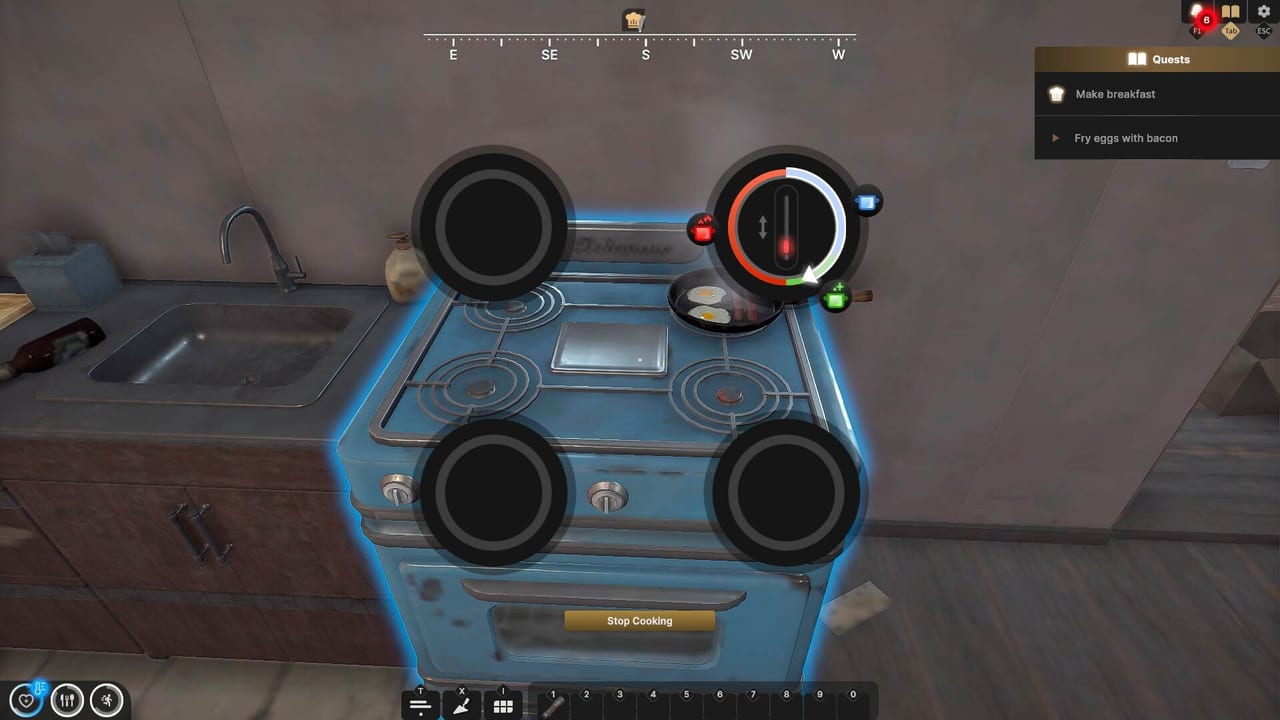
Every livestock species in Rancher: A new life shares a care spine: feed, water, products, mood, breeding, and sales — with illness handling for chickens and cows at Early Access launch framing. Sim Farm S.A. and PlayWay plan Steam Early Access for August 6, 2026. This page unifies those loops so you can compare Chickens, Cows, future goats or sheep, and support from Pets without rewriting your schedule daily.
Pair this reference with How to Raise Animals for beginner pacing and the Animal Care Planner for minute budgeting.
The five daily pillars
Fodder and pasture
Official marketing repeats two feeding modes: fodder from shops or storage, and pasture grazing when grass is available. Pasture saves money but needs fences, gates, and sometimes a dog to herd groups between barn and field.
Rotate pasture to avoid mud penalties if the build includes ground wear. Keep emergency fodder when weather or wild damage blocks outdoor grazing — see Wild Animals.
Water access
Water is non-negotiable across species. Check troughs after travel days, power-heavy workshop sessions, or long cooking blocks from How to Cook. Dehydrated animals typically stop producing eggs or milk in sims of this genre until refreshed.
Place secondary troughs before you double herd size. One shared trough becomes a bottleneck when cows, chickens, and future sheep crowd the same corner.
Product collection
| Species | Primary products |
|---|---|
| Chickens | Eggs |
| Cows | Milk |
| Sheep (marketing) | Fleece via shearing |
| Bees | Honey on Bees and Honey |
Collect on a fixed route: coop, then barn, then hive. Late collection wastes inventory planning for Recipes.
Mood and stroking
Marketing invites stroking and attention to mental state. Treat mood as early-warning for neglected feeding or overcrowding. Renovated housing from House Renovation and clean pens from your cleaning loop likely support mood once confirmed post-launch.
Breeding and selling
Steam highlights an extended chicken and cow care and breeding system. Breeding is a long-save tool, not day-one spam:
- Keep parents with best observed production.
- Sell surplus males or low performers via the animal market on Map Locations.
- Use the animal registry app and trailer mentioned on Steam for moves and record keeping.
Track feed cost per offspring before celebrating sale prices — How to Make Money covers margin thinking.
Illness systems in Early Access
Feature bullets name illnesses for chickens and cows. Build a small veterinary kit budget and learn clinic travel before illnesses stack during busy seasons.
Workflow template:
- Notice symptom icon or behavior change during morning collection.
- Isolate if the UI supports pens or smaller coop zones.
- Visit the veterinary external area or use purchased medicine.
- Delay breeding sick adults until cured to avoid wasted gestation time.
Document cures on your save notes; wiki tables will expand after launch week.
Compost and cleaning loop
Steam lists compost from cleaning after animals to grow plants. Cleaning is not optional flavor — it feeds Crops and Greenhouse and keeps mood high.
Route manure and bedding to compost bins near garden beds or greenhouse doors. NPC barn and garden farmhands may automate slices of this loop later in your save.
Shearing and species expansion
Broader store text mentions sheep and shearing fleece alongside cows and chickens. Goats appear in raise-and-sell marketing. If those species ship in your Early Access build, reuse the same pillars with species-specific products.
Watch Release Date & Roadmap and Animals Hub for patch additions rather than assuming day-one goats.
Herding with dogs and horses
Assign pasture moves to your dog when manual walking becomes tedious. Horses help supervisors cross large Ranch plots quickly after herding. Neither replaces water checks or illness triage.
Registry, finance, and statistics apps
Steam lists animal registry, finances, and statistics apps. Use them to answer:
- Which breed line actually profits after feed?
- Did illness spending spike after fence breaks?
- Is breeding cooldown worth the slot in your shed?
Digital records beat memory on 40-hour ranch weeks.
Sample weekly care calendar
Daily: water, feed or pasture, collect products, quick mood pass, fence glance.
Every few days: compost haul, fodder restock, sell planned surplus.
Weekly: breeding review, vet supply check, shed cleaning deep pass, sync with Recipe Finder for ingredient demand.
Adjust after Early Access reveals exact timers.
When care fails
Common failure modes:
- Buying animals before fodder stockpiles exist.
- Ignoring wild fence damage until predators strike.
- Breeding without shed space.
- Selling products before learning cooking value from Recipes.
Reset pace using Getting Started rather than buying more animals to fix income.
Cross-links
- Chickens and Cows for species specifics
- Pets for herding tools
- Wild Animals for external threats
- Farming Hub for compost destinations
Breeding traits, illness names, and farmhand automation limits will be confirmed in the live Early Access client and patched into this guide.
Frequently Asked Questions
Quick answers to common ranch questions.
What care tasks are shared by all farm animals?
Feed or pasture, water, product collection, mood care, and planned breeding or selling. Chickens and cows also have Early Access illness systems detailed above.
How does compost connect to animal care?
Cleaning after animals creates compost for crops per Steam features. Route waste to [Crops and Greenhouse](/farming/crops-and-greenhouse/) instead of skipping pen cleaning.
When should I start breeding?
After feed, water, and housing are stable for your current headcount. Use the [Animal Care Planner](/tools/animal-care-planner/) before expanding.
Do goats and sheep use the same care loop?
Marketing describes goats, sheep, and shearing in the full ranch fantasy. Expect shared feed and water rules with species-specific products once confirmed in your build.